


Welcome to the Premium edition of How They Make Money.
Over 300,000 subscribers turn to us for business and investment insights.
In case you missed it:
Connecting the Dots
OpenAI used DevDay last week to unveil more than 20 products and features. The most important announcement was Dots.
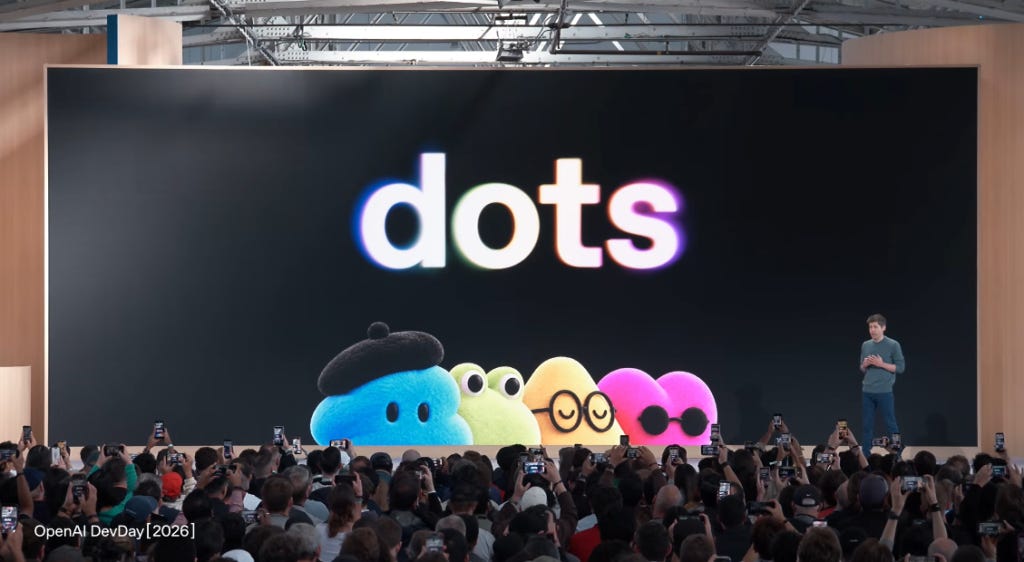
Dots are always-on AI agents with their own cloud computer, access to more than 4,000 apps, and the ability to keep working toward your goals even when you are not actively prompting them. Sam Altman described the shift as a “whole new way to work with AI” and a new set of “superpowers.”
The contrast with Meta Connect was striking. Meta showed Muse booking trips, shopping, and handling everyday tasks. OpenAI showed Dots managing projects, coding, preparing documents, coordinating across Slack and Teams, and helping run a startup.
For now, the two companies are attacking the agent market from opposite ends.
Meta is pushing toward AI for everyone.
OpenAI is starting with AI for high-value work.
And that difference may explain where ChatGPT is heading next.
Today at a glance:
The pieces start to fit together
OpenAI wants to become the operating layer
The business model gets more interesting
The cost of autonomy
Who owns the workday?

🔎 Discover the companies Wall Street ignores
Some of the most interesting opportunities emerge in smaller, undercovered businesses that institutions and analysts barely follow.
I’m working on a new way to help you find them before they become obvious.
Spots will be strictly capped at launch.

1. The pieces start to fit together
OpenAI has spent the past year turning ChatGPT into much more than a chatbot, but the pieces have not always fit together cleanly.
ChatGPT started as the conversational interface.
Codex became the place for agentic coding, organized around projects and files.
ChatGPT Work extended that model to broader knowledge work, adding connections to SaaS apps and a persistent cloud environment.
More recently, OpenAI has started pulling those experiences into the same product.
The result is powerful, but increasingly complicated. You can have several projects, agents, threads, apps, and tasks running at once. At some point, the bottleneck becomes the person trying to keep track of it all.
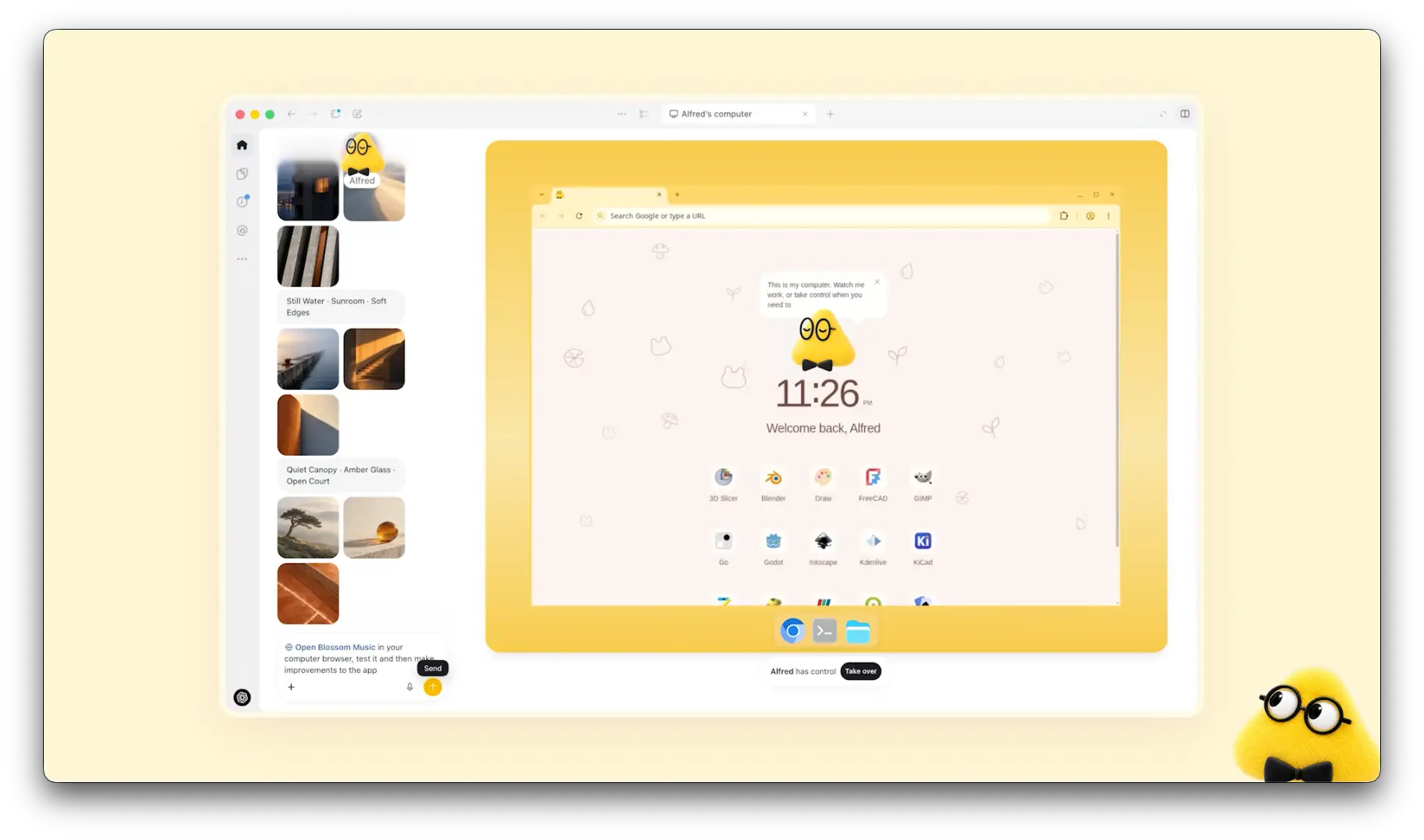
That’s where Dots fit.
A Dot sits above your individual tools as a coordinating layer. It remembers what you are working on, follows projects over time, and can coordinate work across them. It acts like a control tower for your AI work.
The shift matters because the more work OpenAI hosts on its own cloud computers, the more persistent the relationship becomes. A chatbot conversation is relatively easy to move between providers. Recreating a collection of projects, files, permissions, preferences, and ongoing agents somewhere else is much harder.
In other words, Dots could make ChatGPT both easier to use and harder to leave.